Ottawa, Ontario
Ottawa locksmithfor lockouts, new locksand lost car keys
One call, day or night, brings a locksmith to your home, business or car anywhere in the city. You hear the price on the phone, and the lock is picked, not drilled, wherever the lock allows it.
- Open 24/7
- Price before work starts
- 10 years in the trade
- Fully insured
Five pins, one shear line
Every lock below is opened, rekeyed or replaced by understanding this. Scroll to turn the key, and stop at the service you need.
-
 01The key goes in
Locked out of the house
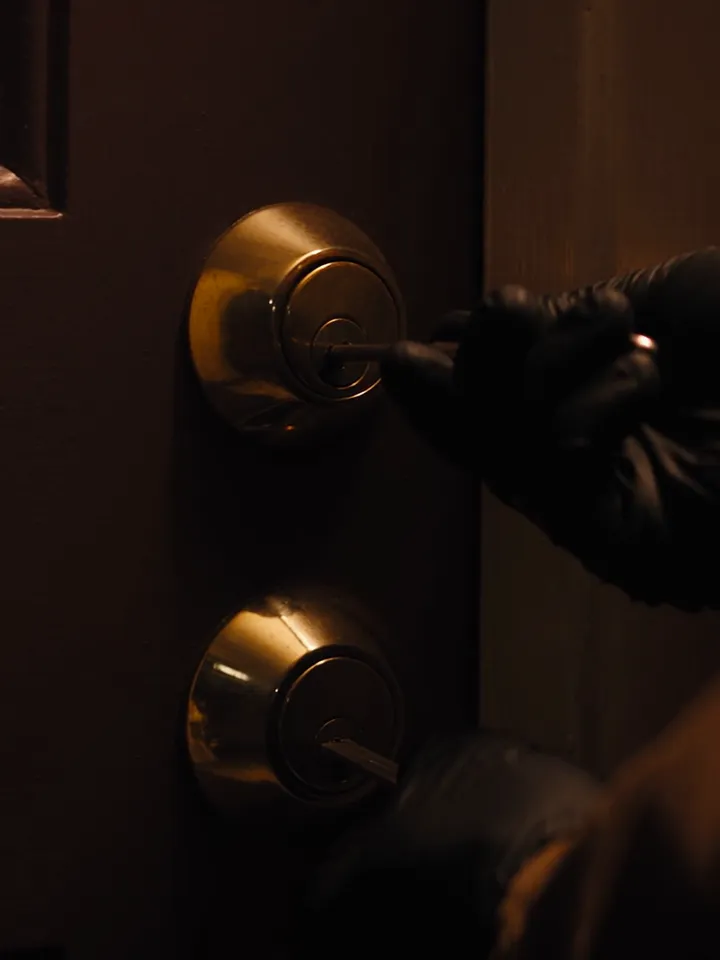
Keys on the counter, door locked behind you. A good locksmith picks the lock and leaves it working.
Emergency locksmith in Ottawa -
 02The pins rise
New keys for the locks you have
Moving in, a lost key or an ex who still has one. Rekeying, lock changes, repairs and key cutting at home.
Residential locksmith in Ottawa -
 03The shear line
The right keys for the right doors
Master key systems, high-security cylinders, exit devices and safes for shops, offices and rental buildings.
Commercial locksmith in Ottawa -
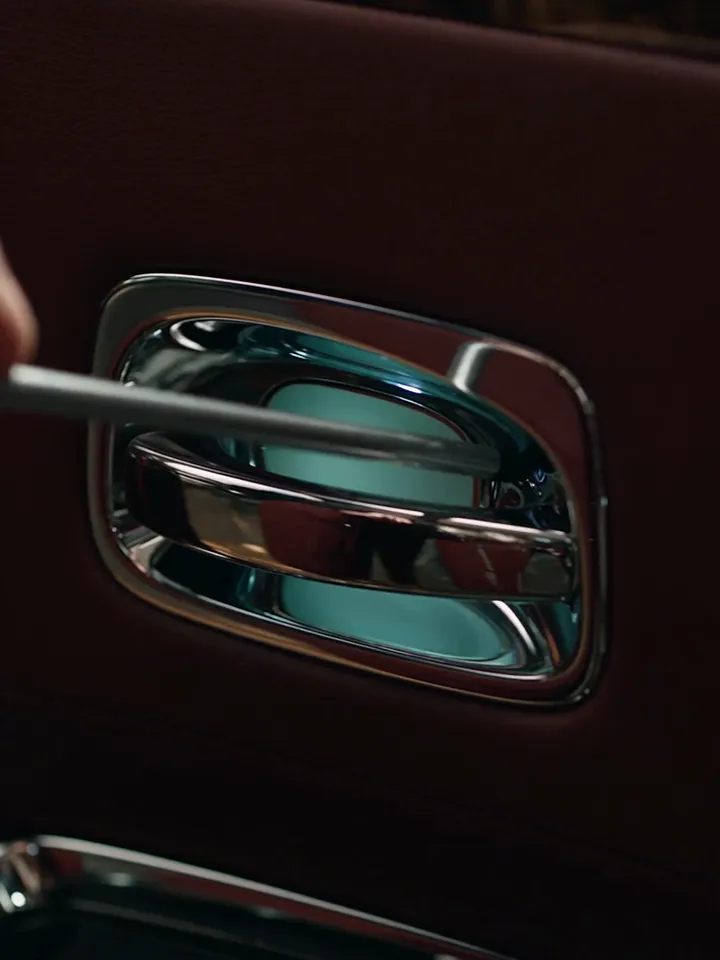 04The plug turns
Locked out of the car
Doors opened without damage, broken keys pulled from the lock and stiff ignitions sorted out where the car is parked.
Car locksmith in Ottawa -
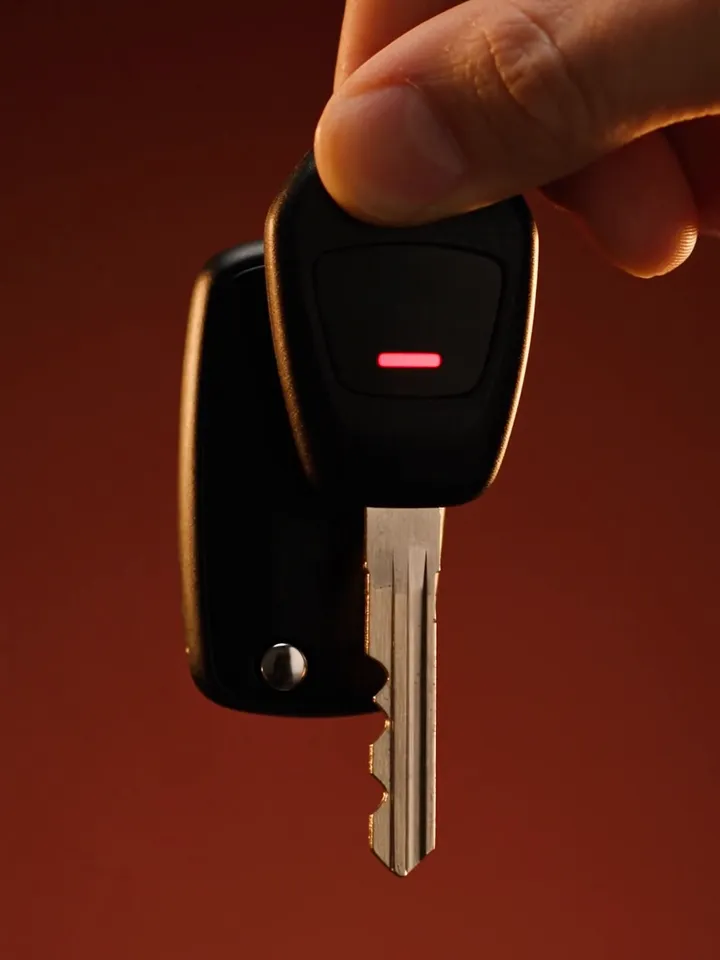 05Open
A new key or fob
Lost the only key? A new one is cut and programmed to your car on the spot, often for less than the dealer charges.
Car key replacement in Ottawa
Locksmith services in Ottawa, from a stuck key to a whole building
Most calls to a locksmith start with a door that will not open. Many of the best ones start earlier: a new house with keys you cannot account for, a deadbolt that has been sticking all winter, a car with only one key left.
The Ottawa Locksmith works on all of it, in houses, condos, rental units, shops, offices and cars, across the whole city. You are told what is wrong, what it will take and what it costs before anything is touched.
What the animation shows, and why it saves you money
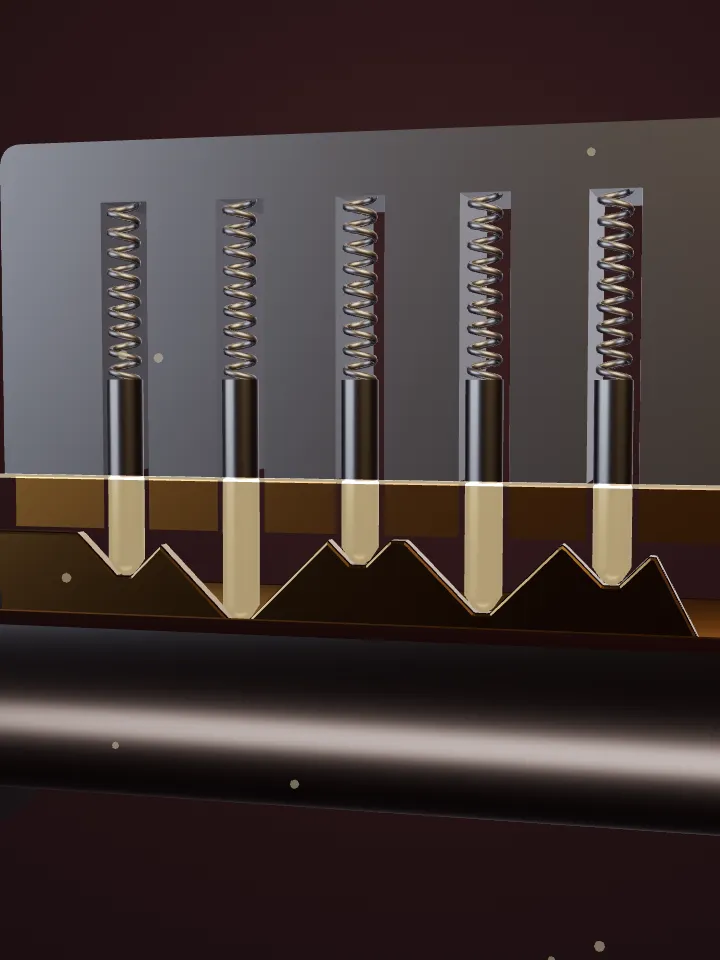
Most house and office locks in Ottawa are pin tumbler locks. Inside the cylinder sit stacks of small pins pressed down by springs. With no key in, the top pins cross the gap between the turning part, called the plug, and the fixed housing, so the plug cannot move.
The right key lifts every stack to exactly the right height, so the gap between each pair of pins lines up with the edge of the plug. That edge is the shear line. When all the pins meet it at once, the plug turns and the lock opens.
This is why rekeying works. A locksmith takes the plug out, swaps the bottom pins for a new set of lengths and cuts keys to match. The lock on your door stays exactly as it is, and every old key stops working.
Three things a locksmith can do with one cylinder
- Rekey it
- New pins, new keys, same lock. The usual choice when you move in or a key goes missing, and usually the least expensive.
- Key it alike
- Front door, back door and garage set to one key, as long as the locks share the same keyway.
- Master key it
- Each suite or office gets its own key, and one master opens them all. Built from a plan, for commercial locksmith work and rental buildings.
Pick the lock yourself
A real lock opens one pin at a time. Turning tension makes one pin bind before the others. Find it, lift it to the shear line, and it sets with a click. Wrong pin, and it just springs back.
Tension on. Tap a pin to lift it.
- Pins set
- 0 / 5
- Wrong tries
- 0
- Time
- 0.0 s
This is why a good locksmith picks before drilling. A worn pin, a frozen cylinder or a high-security lock makes it harder. If your door will not open, call 613-820-5648.
Lock and key work across Ottawa
The five services above have their own pages. This is everything else, grouped the way people usually ask for it.
Locked out? Start here
Choose what is locked. You will see what usually works, and what to do in the next five minutes.
Locked out of the house
What usually works
- A door that is only latched: often opened in minutes with no damage at all.
- A locked deadbolt: most standard deadbolts can be picked. Drilling is a last resort for high-security or damaged locks, and you should be told before it happens.
- A key snapped in the lock: the broken piece is extracted and a new key cut from it.
Do this now
- Check every door and the garage before you call. Someone with a spare key may be closer than a locksmith.
- If a child, a pet or a stove that is on is inside, call 911 first.
- Have ID ready. A good locksmith asks for proof that you live there.
Locked out of the car
What usually works
- Keys inside the car: doors are opened with air wedges and long-reach tools, without bending the frame or scratching the glass.
- No key at all: a new key or fob can be cut and programmed where the car is parked.
- A dead fob: most fobs hide a metal key inside. The driver's door usually has a keyhole under a small cover.
Do this now
- If a child or a pet is inside on a hot or very cold day, call 911.
- Have the registration or insurance slip handy, and know the year, make and model.
- Check whether roadside assistance through your insurer or CAA covers lockouts.
Locked out of the business
What usually works
- A key that will not turn: often a worn cylinder or a misaligned door, fixed on the spot.
- A lost master key: the cylinders it opens can be rekeyed so the lost key is useless.
- A failed exit device: panic bars and closers repaired so the door is safe to use.
Do this now
- Tell your landlord or property manager. Some buildings control who may change locks.
- Be ready to show that you are authorized for the premises, such as a lease or business ID.
Locked out of the mailbox
What usually works
- Canada Post community mailbox, one key lost: copy the spare at a hardware store or a locksmith.
- Both keys lost: Canada Post owns those locks, so new keys are requested from Canada Post. The fee is $29 plus tax.
- Condo or apartment mailbox: those belong to the building, so the manager handles them.
Do this now
- If a community mailbox lock is frozen, do not use heat or de-icer on it. Report it to Canada Post.
- Do not let anyone drill a Canada Post lock. It is not yours to replace.
Rekey or replace?
Answer four questions. Most people who think they need new locks only need new keys.
- Do the locks still turn smoothly?
- Are you happy with how they look?
- Do you want a keypad or smart lock?
- Was there a break-in or forced entry?
The short version: if the locks work, look fine and were not damaged, rekey them. Replace a lock that is worn, damaged by a break-in, the wrong style, or when you want a keypad or smart deadbolt.
Your locks are doing their job. New pins and new keys make every old key useless, for a fraction of the cost of new hardware.
Just moved in? Change the keys first
When you buy a house, you have no way of knowing how many keys are out there. Previous owners, their family, a dog walker, a contractor from three renovations ago. Rekeying on moving day costs far less than finding out the hard way.
It is the same for condos and townhouses, with one extra step: the building's common doors and the parking garage are on the condominium's system, so ask the property manager before changing anything that leads into a shared space.
While the locksmith is there, it is worth checking the strike plates. A deadbolt is only as strong as the screws holding the strike to the frame, and short screws that reach only the trim are the reason many doors give way to a kick. Longer screws that bite into the stud cost almost nothing.
Renting in Ontario: who may change the locks
The Residential Tenancies Act sets the rules for both sides.
- Landlords
- Section 24: a landlord may not change the locks on a rental unit during a tenancy without giving the tenant replacement keys.
- Tenants
- Section 35: a tenant may not change the locks without the landlord's consent.
A summary, not legal advice. The Landlord and Tenant Board can help with a dispute.
How secure is your front door?
Eight questions about the doors you already have. Most of the fixes are small, and none of them need a new door.
- Every outside door, including the one from the garage, has a deadbolt
Add a deadbolt to any outside door that has only a knob. The door from the garage is the usual gap.
- The strike plates are held by long screws that reach the wall stud
Swap the short strike screws for long ones that reach the stud. It is the cheapest upgrade there is.
- The locks were rekeyed after you moved in
Rekey the locks. You cannot know how many old keys are still out there.
- You know exactly who holds a key
Collect or count the keys, then rekey if you cannot account for them all.
- Sliding patio doors have a bar or a second lock
Put a bar in the track or a foot lock on every sliding door.
- No glass is within arm’s reach of a thumb turn
Move the lock, add security film, or ask a locksmith about the options for a door with glass beside the lock.
- The garage opener remote never sits in a car parked outside
Keep the opener remote out of a car that sits in the driveway overnight.
- Keypad codes and batteries were changed in the last year (or you have no keypad)
Change keypad codes when people stop needing them, and fit fresh batteries every fall.
Canada Post community mailboxes
- Who owns the lock
- Canada Post owns the locks on community mailboxes, so only Canada Post replaces them.
- Lost one key
- Copy the spare at a hardware store or a locksmith.
- Lost both keys
- Request new keys from Canada Post. The fee is $29 plus tax.
- Frozen lock
- Do not use heat or de-icer. Report it to Canada Post.
From Canada Post's guidance in November 2026. Check canadapost.ca for the current fee.
The mailbox key nobody thinks about until it is gone
Most of Ottawa's newer suburbs get their mail at a community mailbox at the end of the street, and the little key that opens your compartment is easy to lose. It is also one of the most common keys people ask a locksmith about.
If you still have one key, getting a copy is quick. If you have none, a locksmith is the wrong call, because the lock belongs to Canada Post and drilling it would damage federal property. Apartment and condo mailboxes are different again: they belong to the building, and the manager decides how keys are replaced.
Car theft in Ottawa, and what a key has to do with it
Plenty of modern cars are taken without a broken window. Keyless relay theft uses the signal from the owner's own fob to open and start the car.
- 1,645vehicles reported stolen in Ottawa in 2024, according to Ottawa Police figures reported by CTV.
- About 1,488reported stolen in 2025. Fewer, but still around four cars a day.
- Relay thefta known method, according to CAA: thieves boost the signal from a keyless fob inside the house to open and start the car outside.
Which car key do you have?
Tap the one that looks like yours. The type decides what a new one involves, and roughly what it costs.
Plain metal key
- What it is
- An all-metal key with no chip, on older vehicles.
- A spare from a working key
- Cut on a machine from your key, or from the code. The quickest job.
- Every key lost
- Cut from the vehicle code or by decoding the door lock.
Transponder key
- What it is
- A metal blade with a chip in a plastic head. The car will not start without the right chip.
- A spare from a working key
- Cut, then programmed to the car.
- Every key lost
- Cut from the code, then programmed through the diagnostic port.
Remote head key
- What it is
- Lock and unlock buttons built into the key head.
- A spare from a working key
- The key and the remote are both programmed.
- Every key lost
- Cut and programmed at the car, and lost keys erased.
Flip key
- What it is
- The blade folds into the fob at the press of a button.
- A spare from a working key
- Programmed to the car. A cracked shell or bent blade can often be replaced alone.
- Every key lost
- Made and programmed on site for most makes.
Smart key or proximity fob
- What it is
- For push-to-start cars that unlock as you walk up. A metal emergency key hides inside.
- A spare from a working key
- Programmed to the car, and the emergency blade cut to the door lock.
- Every key lost
- Programmed on site for most makes. A few newest models are dealer-only.
How to tell a real locksmith from a phone scam
The Better Business Bureau and CTV have both warned about the same pattern: a quote of $15 to $40 on the phone, then a much bigger bill on site, often after a lock was drilled that could have been picked. Three questions sort out most of it before anyone arrives.
What will it cost, all in?
A good locksmith gives you a realistic price or range on the phone, including the call-out, and tells you what would change it. A price that sounds too low usually is.
Will you pick it or drill it?
Most residential locks can be picked or bypassed without damage. Drilling should be the last resort, explained to you before it happens, never the first move.
Who is coming, and are you insured?
Ontario does not license locksmiths. A Locksmiths Licensing Act was put before the legislature in 1996 and never passed. That makes insurance, a business name and a real address the things to ask about.
On the phone with a locksmith? Check what they said
Tick everything you heard. The Better Business Bureau and CTV have both warned about low phone quotes that grow once the locksmith arrives.
Ask for the full price, the company name, and whether they will pick or drill.
How a call goes
You call and say what is locked
Any hour of the day or night. The door, the car or the safe, and what happened. You get a price, or a range and what would change it, before anyone drives over.
The locksmith checks who you are
ID with your address, a lease or the car's registration. It protects you as much as anyone, because the same rule stops a stranger from getting into your home.
The lock is opened, fixed or rekeyed
Picked where possible, repaired where it is worn, and tested with you before the locksmith leaves.
A locksmith for every part of Ottawa
The Ottawa Locksmith works across the city, inside and outside the Greenbelt. The locks are much the same everywhere. What changes from one area to the next is the housing, and with it what people tend to call about.
Kanata
Six decades of houses, from the 1960s streets of Beaverbrook to Kanata North's tech offices, which need their own keys and access control. A locksmith in Kanata works on both.
Orleans
Family homes from the 1970s on, many with original deadbolts and garage entries that may never have been rekeyed. See locksmith in Orleans.
Barrhaven
One of the fastest-growing parts of the city, full of new owners who were handed a builder's key. Rekeying them is the first job for a locksmith in Barrhaven.
Nepean
Established streets from the 1950s and 1960s, plenty of rentals and the shops of Bells Corners and Merivale. See locksmith in Nepean.
Stittsville
An old village on Main Street with new subdivisions all around it. New homes, community mailboxes and keypad locks keep a locksmith in Stittsville busy.
Gloucester
From Blackburn Hamlet, where the first residents moved in in 1967, out to Riverside South. See locksmith in Gloucester.
Manotick
A village on the Rideau River with large lots, detached garages and outbuildings, each with a lock that needs a key.
Centretown, the Glebe and Westboro
Older houses split into apartments, small shops and condo towers. Shared front doors and older mortise locks are part of the work here.
Before you call
How much does a locksmith cost in Ottawa?
It depends on the job, the lock and the time of day, which is why you should get a price on the phone before anyone comes out. Be wary of very low phone quotes: the Better Business Bureau has warned about $15 to $40 quotes that grow once the locksmith is at your door.
Will you have to drill my lock?
Rarely. Most residential locks can be picked or bypassed without damage. Drilling is kept for high-security locks, damaged locks or ones that have failed inside, and you should be told before it happens.
Is it cheaper to rekey or replace a lock?
Rekeying is usually cheaper, because the lock stays and only the pins and keys change. Replace a lock when it is worn, damaged, the wrong style, or when you want a keypad or smart deadbolt.
Can all my doors use one key?
Usually, yes. Locks that share the same keyway can be rekeyed to one key. Locks from different makers sometimes cannot, and then one cylinder is swapped so they match.
Do you need ID to open my door?
Yes. A responsible locksmith asks for ID with the address, or other proof that you live there, before opening a house. For a car, the registration or insurance slip.
Can a locksmith make a key for a car with no key?
For most cars, yes. A new key can be cut to the lock or from the vehicle code and programmed to the car on site. Some newer models need the dealer, and you will be told if yours is one of them.
Is a locksmith licensed in Ontario?
No. Ontario does not license locksmiths, and a Locksmiths Licensing Act put forward in 1996 never became law. Ask instead about insurance, a business name and address, and the price.
Are you open 24 hours?
Yes. The Ottawa Locksmith answers 24 hours a day, 7 days a week, including weekends and holidays. Calls at night may be priced differently from daytime work, and you hear the price on the phone before anyone drives over.
Which parts of Ottawa do you cover?
The whole city, including Kanata, Stittsville, Barrhaven, Nepean, Orleans, Gloucester, Manotick and the central neighbourhoods.
Tell us what is locked
613-820-5648If you are locked out right now, call, day or night. For anything that can wait, such as rekeying or a new lock, send the form and you will get a call back with a price.